Spring Roll Bowl meals always remind me of those evenings when I craved something fresh yet filling without spending hours in the kitchen. I remember the first time I turned classic rolls into a Spring Roll Bowl; it felt like a small win after a long day. Everything tasted brighter, lighter, and still comforting. This Spring Roll Bowl combines crisp vegetables, tender noodles, and a bold peanut sauce recipe into one satisfying noodle bowl. Throughout this article, I’ll share how this healthy vegan bowl comes together, why the flavors work so well, and how you can make it part of your routine without stress or fuss.
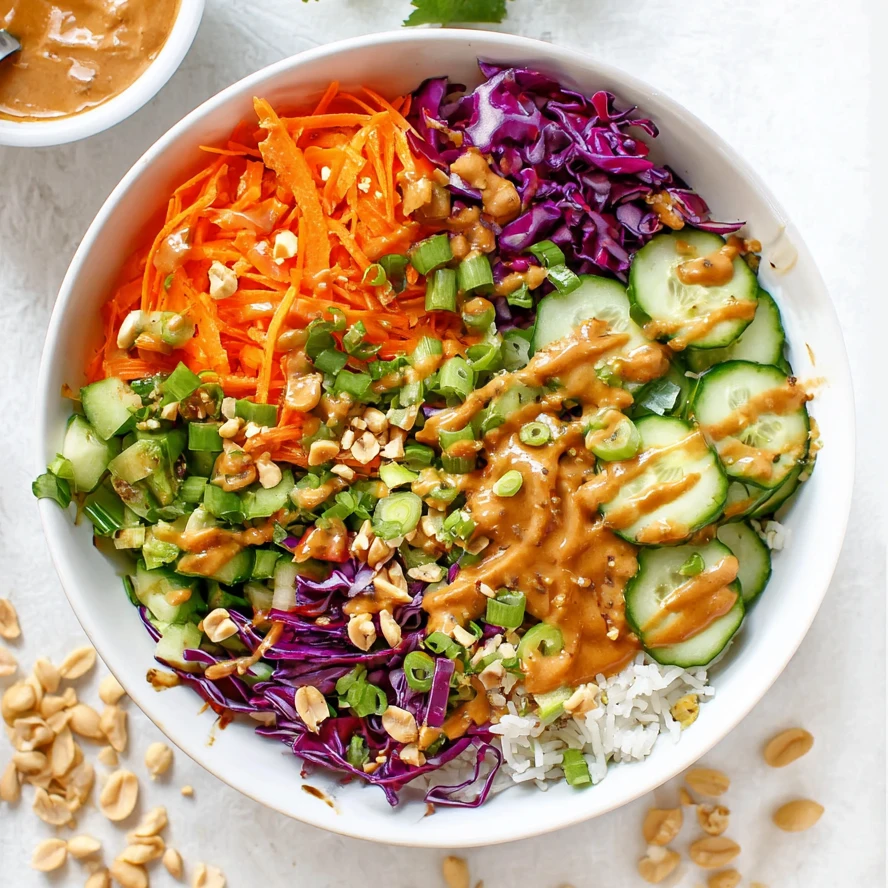
Table of Contents
Spring Roll Bowl Inspiration and Flavor Base
A Spring Roll Bowl takes everything people love about traditional rolls and places it into a format that feels relaxed and practical. I started making this Spring Roll Bowl when rolling wrappers felt like too much work on busy nights. Instead of giving up those flavors, I shifted the idea into a bowl. As a result, dinner stayed exciting, fresh, and colorful. This noodle bowl keeps the balance between crunch and softness, while every bite feels clean and satisfying. Because the ingredients stay simple, the Spring Roll Bowl works well for weeknights, lunches, or casual gatherings. Even better, it feels nourishing without feeling heavy, which matters when I want food that supports my energy.
The flavor base defines the success of any Spring Roll Bowl. Fresh vegetables bring brightness, while rice noodles add gentle chew and comfort. Together, they create contrast that keeps each forkful interesting. Cilantro, green onions, and cabbage build layers of flavor without overpowering the bowl. Because everything stays fresh and lightly prepared, the bowl feels like an Asian salad with heartiness. This approach keeps the healthy vegan bowl appealing to both plant-based eaters and anyone seeking lighter meals. Every element plays a clear role, so nothing feels random or wasted.
What truly makes this Spring Roll Bowl memorable is how the ingredients work together. The vegetables stay crisp, the noodles stay tender, and the overall dish feels balanced. Since the base stays neutral, it also pairs perfectly with a bold peanut sauce recipe later on. That contrast between fresh veggies and creamy sauce defines why this dish never feels boring. With each bowl, you get freshness, comfort, and flavor without extra effort.
Building the Perfect Noodle Bowl Foundation
A strong foundation keeps a Spring Roll Bowl satisfying from the first bite to the last. I learned early that noodles set the tone for the entire noodle bowl. Because of that, I always focus on texture and timing. Thin rice noodles work beautifully since they stay light and flexible. When cooked just until tender, they absorb flavor without turning soft. This detail matters because a Spring Roll Bowl should feel fresh, not dense. With the right noodles, the bowl feels balanced and comforting at the same time.
Choosing noodles also affects how the healthy vegan bowl feels overall. Rice noodles keep the dish gluten-free and gentle, which suits lighter meals. Vermicelli or brown rice ramen also fit well when you want variety. No matter the choice, I always rinse and drain them well. That step prevents sticking and keeps the noodle bowl clean and pleasant. Since the noodles act as a neutral base, they allow the vegetables and peanut sauce recipe to shine. This balance keeps the Spring Roll Bowl enjoyable without overpowering flavors.
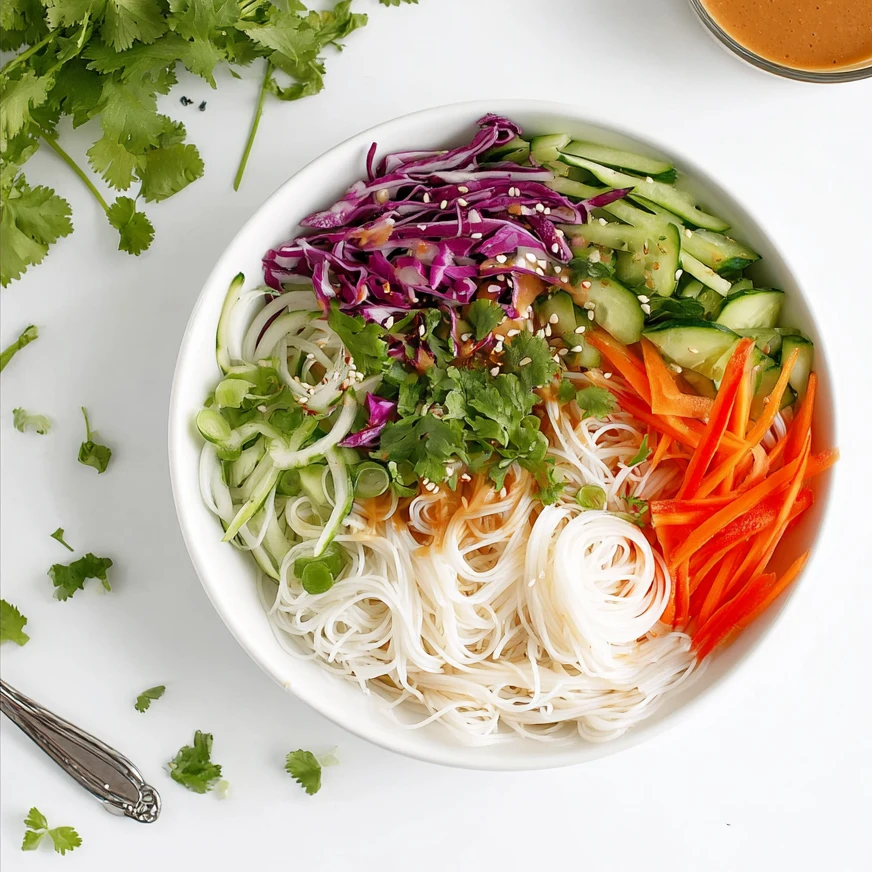
Vegetables play an equally important role in shaping the bowl. I focus on thin, even slices because texture matters in every bite. Carrots add gentle sweetness, while cucumber brings cool crunch. Red cabbage adds color and a slight bite that keeps the bowl lively. Green onions and fresh herbs finish the base with brightness. Because these vegetables stay raw, they keep the Spring Roll Bowl feeling like a fresh veggie bowl rather than a heavy meal.
Preparation makes a big difference here. I slice everything before assembling the noodle bowl, which keeps the process smooth. This approach also helps flavors stay distinct. When vegetables remain crisp, they contrast beautifully with soft noodles. As a result, the healthy vegan bowl feels exciting instead of flat. This foundation supports everything that follows, especially the creamy peanut sauce recipe that ties the dish together.
Peanut Sauce Recipe That Brings It All Together
Every Spring Roll Bowl needs a sauce that connects all the textures, and this peanut sauce recipe does exactly that. I remember the first time I whisked it together and realized how quickly it changed the entire bowl. The sauce adds richness while keeping the dish grounded in fresh flavors. Because the base uses simple pantry items, the flavor stays familiar yet bold. Peanut butter creates creaminess, while tamari adds depth. Citrus juice brightens everything, which keeps the Spring Roll Bowl from feeling heavy.
This peanut sauce recipe works so well because it balances sweet, salty, and tangy notes without overpowering the noodle bowl. Maple syrup or brown sugar softens the saltiness, while garlic and ginger bring warmth. Each ingredient supports the others, so nothing dominates the bowl. When paired with crisp vegetables and tender noodles, the sauce feels comforting yet light. That balance makes the healthy vegan bowl enjoyable even on warmer days. Every drizzle adds flavor without masking freshness.
Texture control matters just as much as taste. I always add warm water slowly while whisking, which keeps the sauce smooth and glossy. This method allows the peanut sauce recipe to reach a pourable consistency that coats noodles evenly. A thinner sauce spreads better through the Spring Roll Bowl, so every bite tastes complete. Since the vegetables stay raw, the sauce gently clings without wilting them. This detail keeps the fresh veggie bowl crisp and appealing.
What I love most is how flexible this peanut sauce recipe feels. You can add heat, adjust sweetness, or keep it mild depending on mood. Because the sauce stays simple, it complements the noodle bowl instead of stealing attention. In the end, it ties every ingredient together and turns the Spring Roll Bowl into a cohesive, satisfying meal that feels intentional and comforting.
Assembling a Balanced Healthy Vegan Bowl
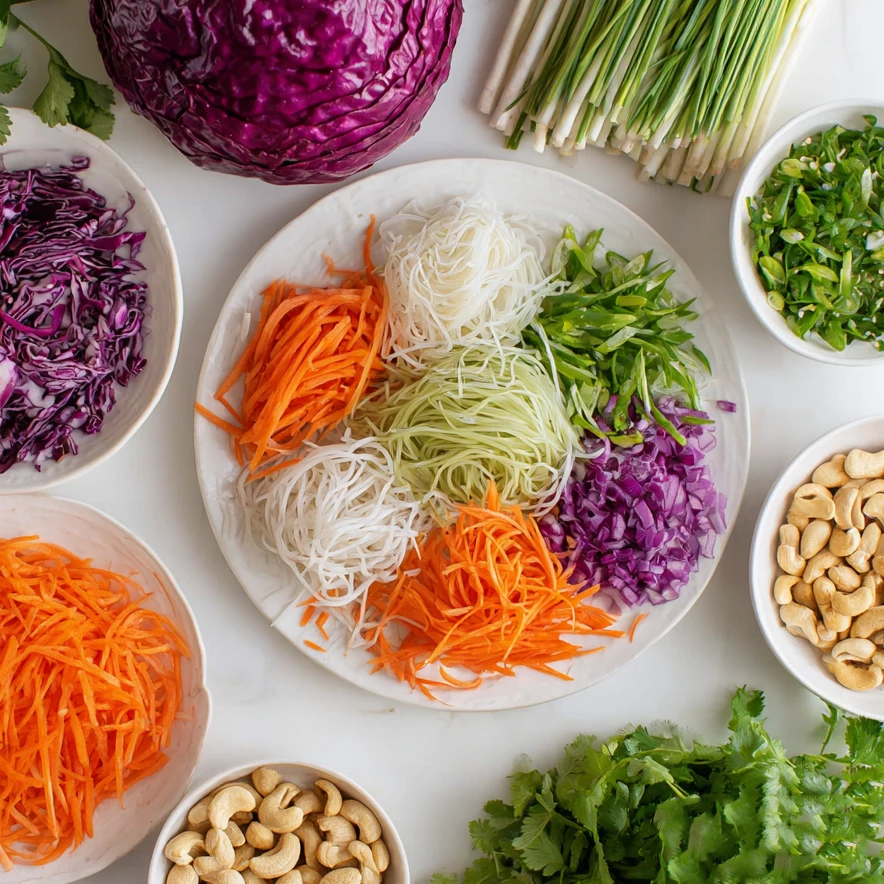
Assembling a Spring Roll Bowl feels almost relaxing once everything is prepared. I usually start with a generous layer of noodles because they anchor the entire noodle bowl. From there, I arrange the vegetables instead of mixing them right away. This approach keeps the colors vibrant and the textures distinct. A Spring Roll Bowl should look inviting before the first bite. When the bowl looks fresh, it already feels satisfying.
Layering matters more than it seems. I place crunchy vegetables next to softer noodles so every bite includes contrast. Carrots, cucumber, and cabbage sit lightly on top, while herbs scatter across the surface. This method keeps the fresh veggie bowl crisp until serving. Once the peanut sauce recipe goes on, it gently coats everything without drowning the ingredients. That balance keeps the healthy vegan bowl light while still full of flavor.
Protein options fit naturally into this bowl. Edamame adds a gentle bite, while tofu brings substance without heaviness. Tempeh also works well when sliced thin. I add these elements sparingly so they support the bowl rather than dominate it. Because the Spring Roll Bowl already includes plenty of texture, protein acts as a complement. This approach keeps the noodle bowl filling while staying fresh and balanced.
Toppings finish the bowl with personality. Chopped peanuts add crunch, while sesame seeds bring subtle depth. Fresh mint or extra cilantro lifts the flavors even more. Since the base stays neutral, these small additions make a big difference. Each topping adds interest without cluttering the bowl. In the end, the Spring Roll Bowl feels complete, colorful, and nourishing, exactly what a healthy vegan bowl should deliver.
Storage, Meal Prep, and Serving Ideas
A Spring Roll Bowl fits perfectly into a busy routine because it stores well and stays appealing. I often prepare this noodle bowl ahead of time when I expect long days. The key lies in keeping each component separate. I store noodles, vegetables, and peanut sauce recipe in individual containers. This method keeps textures intact and flavors fresh. When it’s time to eat, everything comes together quickly without extra prep. That ease makes the Spring Roll Bowl a dependable option for lunches and dinners.
Reheating requires a gentle approach. I warm the noodles briefly, then add cold vegetables on top. This contrast keeps the fresh veggie bowl crisp and refreshing. The peanut sauce recipe goes on last, which prevents vegetables from softening too soon. Because the bowl relies on freshness, this sequence matters. It keeps the healthy vegan bowl vibrant even after storage. With this method, leftovers still feel intentional rather than rushed.
Serving ideas add variety without changing the base. For family meals, I place all ingredients on the counter and let everyone build their own Spring Roll Bowl. This setup works especially well for mixed preferences. Some people add extra herbs, while others prefer more sauce. Since the noodle bowl stays flexible, it suits gatherings without stress. That adaptability makes this dish reliable for casual hosting.
Meal prep fans appreciate how well this bowl fits weekly planning. The vegetables last several days when sliced properly. The peanut sauce recipe keeps well and thickens slightly, which many people enjoy. With everything ready, assembling a healthy vegan bowl takes minutes. That convenience keeps homemade meals realistic during busy weeks.
FAQ Section
Can I make a Spring Roll Bowl ahead of time?
Yes, you can prepare each component in advance. Store noodles, vegetables, and peanut sauce recipe separately for best texture.
What noodles work best in a Spring Roll Bowl?
Thin rice noodles work well, but vermicelli or gluten-free ramen also fit this noodle bowl nicely.
Is a Spring Roll Bowl healthy for everyday meals?
Yes, this healthy vegan bowl includes fresh vegetables, balanced carbohydrates, and plant-based fats.
How long does peanut sauce last in the fridge?
The peanut sauce recipe stays fresh for up to five days when stored in a sealed container.
Can I make this bowl gluten-free?
Yes, use gluten-free noodles and tamari to keep the Spring Roll Bowl gluten-free.
Conclusion
A Spring Roll Bowl proves that fresh food doesn’t need to feel complicated. With crisp vegetables, tender noodles, and a bold peanut sauce recipe, this noodle bowl delivers balance and comfort. It works for busy days, relaxed dinners, and planned meals alike. Each bite feels light yet satisfying, which keeps this healthy vegan bowl in regular rotation. Once you try it, the Spring Roll Bowl becomes a go-to option that fits real life with ease.
Print
Spring Roll Bowl Recipe
- Total Time: 30 minutes
- Yield: 5 bowls
- Diet: Vegan
Description
A Spring Roll Bowl packed with fresh vegetables, tender noodles, and a creamy peanut sauce recipe.
Ingredients
8 oz thin rice noodles
1 large carrot
1 small cucumber
2 cups red cabbage, thinly sliced
3 green onions
1/3 cup fresh cilantro or basil
Optional toppings: peanuts, sesame seeds, sprouts, mint
1/2 cup peanut butter
2 Tbsp maple syrup
1 1/2 Tbsp tamari
2 Tbsp lemon or lime juice
2 cloves garlic
1 tsp fresh ginger
Hot water as needed
Instructions
1. Slice all vegetables thinly and set aside
2. Cook noodles until tender and drain well
3. Whisk all peanut sauce ingredients except water
4. Add hot water slowly until smooth
5. Assemble noodles, vegetables, and sauce in bowls
6. Add toppings as desired
Notes
Store components separately for best texture
Use gluten-free noodles and tamari if needed
- Prep Time: 20 minutes
- Cook Time: 10 minutes
- Category: Main Dish
- Method: No-Bake
- Cuisine: Asian-Inspired
Nutrition
- Serving Size: 1 bowl
- Calories: 364
- Sugar: 9g
- Sodium: 449mg
- Fat: 13g
- Saturated Fat: 3g
- Unsaturated Fat: 10g
- Trans Fat: 0g
- Carbohydrates: 53g
- Fiber: 4g
- Protein: 10g
- Cholesterol: 0mg