There’s something undeniably cozy about a bubbling tray of pasta, oozing with cheese and cloaked in rich marinara sauce. If you’ve ever wondered what Mannacote is—or how it differs from manicotti—you’re in for a treat. This article dives deep into the history, recipe, and irresistible charm of this classic Italian-American dish. Whether you’re a beginner in the kitchen or a seasoned home chef, you’ll walk away knowing how to master Mannacote from scratch.
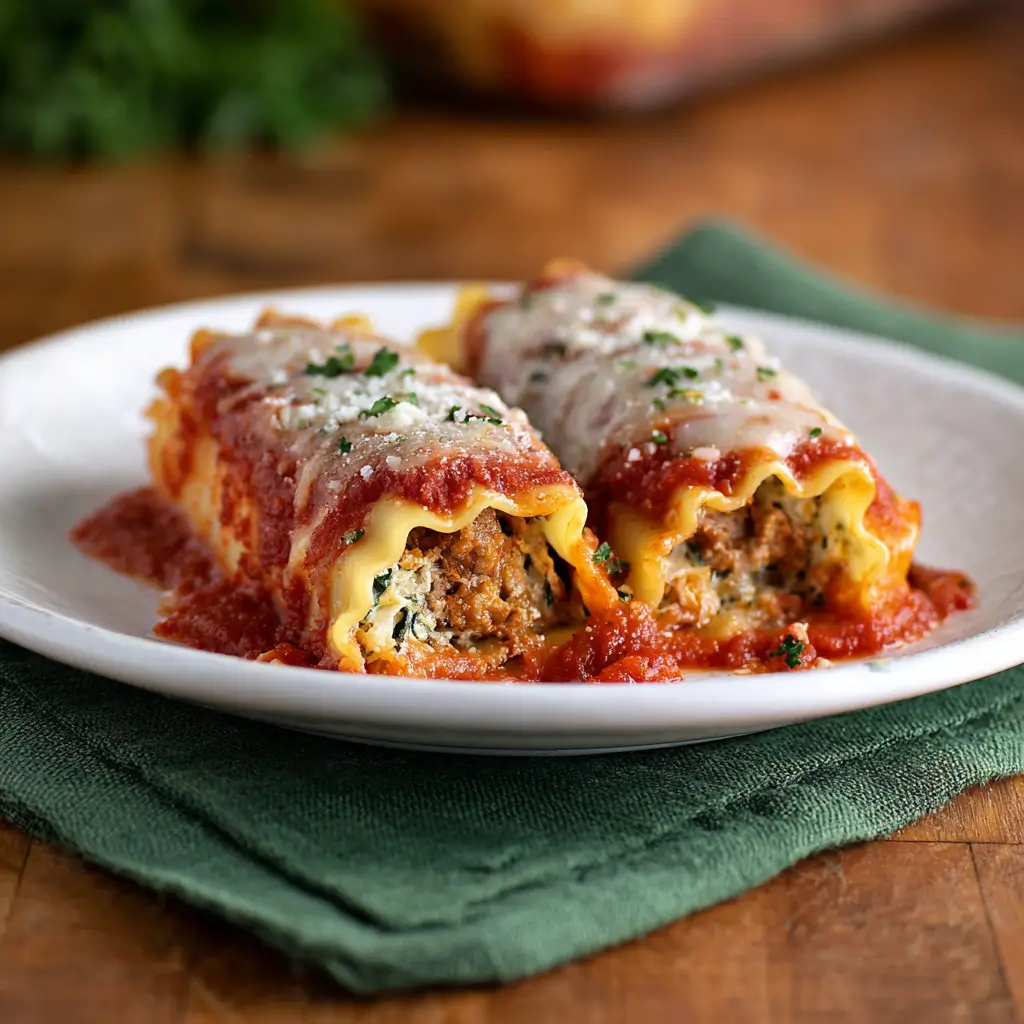
Table of Contents
What Is Mannacote?
Origins and Evolution of Mannacote
Mannacote, often mistaken for a spelling error of “manicotti,” is a beloved Italian-American comfort dish that combines creamy cheese filling with pasta shells and hearty marinara sauce. The name “Mannacote” is actually a regional adaptation or even a colloquial variation of manicotti, particularly in Italian-American households in the Northeast U.S. It’s a term that’s evolved through generations of home cooking where pronunciation and spelling often took their own path.
The core of Mannacote is rooted in “cannelloni”, an Italian dish made with pasta cylinders stuffed with filling. When Italian immigrants settled in the U.S., they adapted this dish using available ingredients and pasta tubes, giving rise to what we now call manicotti—or, in some kitchens, mannacote.
You’ll often hear it called “Italian stuffed shells,” but don’t confuse it with conchiglioni, which use seashell-shaped pasta. Mannacote specifically uses tubular pasta or thin crepes, traditionally baked to golden perfection.
The Difference Between Mannacote and Manicotti
So, is there a difference between Mannacote and Manicotti? Technically, no. But the distinction lies in cultural usage and perhaps nostalgia. Mannacote is how many nonna’s referred to the dish in Italian-American communities, while “manicotti” became the standardized spelling in cookbooks and restaurants.
Whereas “manicotti” in modern cookbooks often references boxed pasta shells, Mannacote more often implies homemade crepes or hand-piped pasta—a touch more rustic and traditional. Mannacote also places more emphasis on flavor-packed fillings and slow-cooked sauces.
Print
Mannacote Recipe
- Total Time: 1 hour 5 minutes
- Yield: 6 servings
Description
This Mannacote recipe brings together creamy ricotta, gooey mozzarella, and savory marinara, baked inside tender pasta tubes or crepes for the ultimate Italian-American comfort food. Easy to make, perfect for meal prep, and endlessly customizable!
Ingredients
- 15 oz whole milk ricotta cheese (drained)
- 1 cup shredded mozzarella cheese (plus extra for topping)
- ½ cup grated parmesan cheese (plus extra for topping)
- 1 large egg (lightly beaten)
- 2 tablespoons chopped fresh parsley
- Salt and pepper to taste
- ½ cup cooked spinach (optional, chopped and well-drained)
- 12 manicotti pasta tubes or crepes
- 3 cups marinara sauce (homemade or store-bought)
- 1 tablespoon olive oil (for greasing the baking dish)
- Fresh basil or parsley for garnish (optional)
Instructions
- Preheat oven to 375°F (190°C). Lightly grease a 9×13-inch baking dish with olive oil.
- Cook manicotti tubes in salted boiling water until al dente (5–6 minutes). Drain and place on a parchment-lined tray.
- In a bowl, mix ricotta, mozzarella, parmesan, egg, parsley, salt, pepper, and spinach if using.
- Spread a layer of marinara in the bottom of the dish.
- Fill each tube with the cheese mixture using a spoon or piping bag.
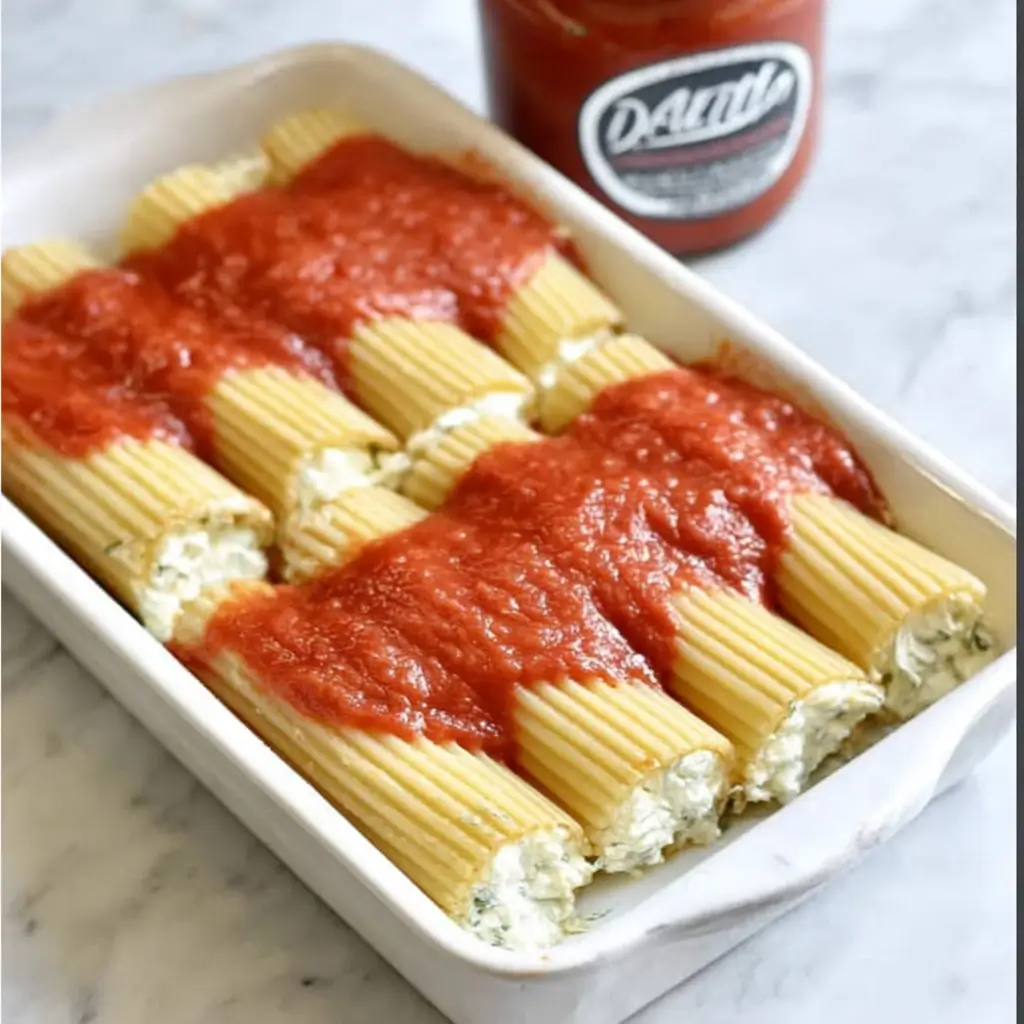
- Place filled tubes in a single layer. Cover with remaining sauce.
- Top with extra mozzarella and parmesan.
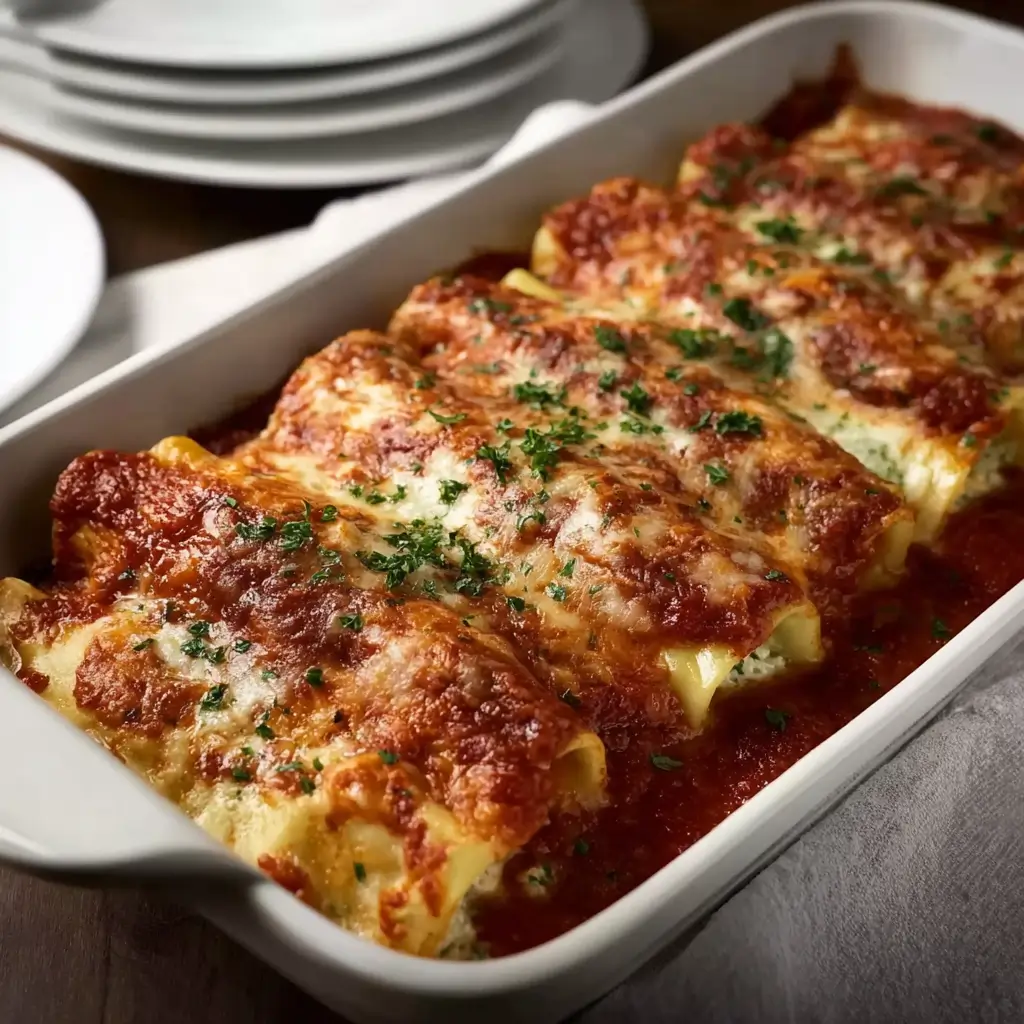
- Cover with foil and bake for 25 minutes. Remove foil and bake another 10–15 minutes until golden and bubbly.
- Garnish with fresh herbs before serving, if desired.
Notes
You can assemble Mannacote up to 3 days in advance and refrigerate before baking.
To freeze: wrap tightly in foil and freeze unbaked. Bake directly from frozen with 20–30 extra minutes.
For variety, add browned ground meat to the cheese filling or use homemade crepes instead of pasta tubes.
- Prep Time: 30 minutes
- Cook Time: 35 minutes
- Category: Dinner
- Method: Baking
- Cuisine: Italian-American
Nutrition
- Serving Size: 1–2 pasta tubes
- Calories: 320 kcal
- Sugar: 3g
- Sodium: 550mg
- Fat: 17g
- Saturated Fat: 9g
- Unsaturated Fat: 6g
- Trans Fat: 0g
- Carbohydrates: 24g
- Fiber: 2g
- Protein: 16g
- Cholesterol: 55mg
Mannacote vs Traditional Manicotti
What is Manicotti Called in Italy?
In Italy, you won’t hear the word “manicotti” very often. The term is distinctly Italian-American. In the Old Country, the dish is more commonly known as cannelloni, which literally means “large reeds” in Italian—referring to the tube shape of the pasta.
So, what’s the difference between cannelloni and manicotti—or Mannacote? In Italy, cannelloni is traditionally made with thin sheets of fresh pasta or crepes, rolled around a filling. There’s usually no stuffing of pre-shaped tubes. On the other hand, in America, manicotti evolved into ready-made, pre-formed pasta tubes, usually boiled before stuffing.
Mannacote fits somewhere in between: it keeps the comforting Americanized feel of manicotti but often honors the crepe-style method closer to Italian cannelloni.
Regional Variations and Naming Across Italy
Italian cuisine is incredibly regional, and pasta names can vary dramatically depending on where you are:
| Region | Traditional Name | Filling Style | Sauce Type |
|---|---|---|---|
| Lazio | Cannelloni | Ricotta & Spinach | Tomato-based |
| Emilia-Romagna | Cannelloni al Forno | Meat & Béchamel | Béchamel + Ragu |
| Campania | Crêpes di Pasta | Cheese-based | Marinara |
| Sicily | Pasta al Forno | Meat, Egg, Cheese Mix | Rich Meat Sauce |
As shown, the dish we call Mannacote or Manicotti in the U.S. is essentially a melting pot of regional Italian recipes, simplified and modified for American kitchens.
Whether it’s Mannacote or Cannelloni, the heart of the dish remains the same—comfort, tradition, and soul-satisfying flavor.
Check out Calamariere for another Italian-inspired dish that celebrates authentic Mediterranean flavor.
Inside a Perfect Mannacote
Classic Cheese Filling Ingredients Explained
At the heart of every delicious Mannacote is its filling—and it’s all about the creamy, cheesy goodness. The traditional cheese blend includes:
- Ricotta cheese (15 oz): This creamy, slightly sweet cheese forms the base of the filling. Be sure it’s well-drained to avoid soggy pasta.
- Mozzarella cheese (1 cup, shredded): Adds the gooey, stretchy texture people love. Also used as a topping for that bubbly golden finish.
- Parmesan cheese (½ cup, grated): Brings a sharp, salty depth to the flavor. It also gets sprinkled on top for a crusty bite.
- Egg (1 large, lightly beaten): Binds all the ingredients together, giving the filling structure and richness.
- Fresh parsley (2 tablespoons, chopped): Adds a pop of herbaceous freshness that cuts through the richness of the cheeses.
- Salt and pepper (to taste): Seasoning is essential for balancing the dairy-heavy mixture.
This classic filling is both comforting and indulgent—exactly what Mannacote is all about.
Optional Additions: Spinach, Meat, and More
Mannacote is flexible, and that’s part of what makes it a family favorite. You can add different ingredients to suit your tastes:
- Cooked spinach (½ cup, chopped and well-drained): Adds color, texture, and a slight bitterness that pairs beautifully with creamy cheese.
- Ground meat (beef, sausage, or turkey): Cook it ahead of time and mix it into the cheese filling for a heartier version.
- Nutmeg (a pinch): Especially if you’re adding spinach, nutmeg enhances the overall flavor profile with a warm note.
- Garlic (minced or powdered): Infuse the cheese mixture with deeper flavor layers.
These variations don’t just make the dish unique—they also let you tailor Mannacote to your dietary needs or available pantry items.
Mannacote Recipe – Step-by-Step Guide
Ingredients List with Measurements
To make an authentic, satisfying Mannacote at home, you’ll need these ingredients:
| Ingredient | Quantity |
|---|---|
| Whole milk ricotta cheese | 15 oz (drained) |
| Shredded mozzarella cheese | 1 cup (plus extra for topping) |
| Grated parmesan cheese | ½ cup (plus extra for topping) |
| Large egg | 1 (lightly beaten) |
| Fresh parsley | 2 tablespoons (chopped) |
| Salt & pepper | To taste |
| Cooked spinach (optional) | ½ cup (chopped and well-drained) |
| Manicotti pasta tubes or crepes | 12 |
| Marinara sauce (homemade/store-bought) | 3 cups |
| Olive oil | 1 tablespoon (for greasing dish) |
| Fresh basil or parsley (for garnish) | Optional |
You can also add cooked ground beef or sausage if you want a meaty version, but the classic Mannacote leans heavy on the cheese.
Step-by-Step Cooking Instructions for Beginners
Follow these simple steps to prepare this comforting Italian dish:
- Preheat & Prep
- Preheat your oven to 375°F (190°C).
- Lightly grease a 9×13-inch baking dish with 1 tablespoon of olive oil to prevent sticking.
- Cook the Pasta Tubes
- Boil manicotti in salted water for 5–6 minutes, just until al dente.
- Gently drain and lay them flat on a parchment-lined tray to cool. This prevents tearing and sticking.
- Make the Cheese Filling
- In a large bowl, mix together:
- Ricotta
- Mozzarella
- Parmesan
- Egg
- Fresh parsley
- Optional spinach
- Salt & pepper
- Stir until well combined into a smooth, scoopable filling.
- In a large bowl, mix together:
- Layer the Marinara Sauce
- Spread a thick coating of marinara sauce evenly over the base of the prepared baking dish.
- Fill the Tubes
- Use a spoon or a piping bag to fill each manicotti tube with the cheese mixture.
- Be gentle to avoid breaking the pasta.
- Assemble the Dish
- Arrange the filled tubes in a single layer on the sauced baking dish.
- Pour the remaining marinara sauce over the top, covering evenly.
- Sprinkle with extra mozzarella and parmesan.
- Bake
- Place foil over the dish and bake for 25 minutes.
- Take off the foil and continue baking without cover for an additional 10–15 minutes until the cheese becomes bubbly and develops a golden color.
- Garnish & Serve
- Let it rest for 5 minutes after baking.
- Garnish with chopped basil or parsley if desired.
This recipe is easy to follow, perfect for meal prep, and always a crowd-pleaser.
Expert Tips for Making Mannacote at Home
How to Prevent Overcooked Pasta Tubes
One of the most common mistakes when making Mannacote is overcooking the pasta before baking. Here’s how to get perfectly tender, yet sturdy tubes every time:
- Cook al dente only: Boil manicotti shells for just 5–6 minutes. They should still be firm since they’ll cook further in the oven.
- Cool properly: After boiling, immediately transfer the pasta to a parchment-lined tray or plate. Avoid stacking them—they’ll stick or tear.
- Don’t rinse the pasta with cold water: This removes the starch that allows sauce to adhere properly to the noodles.
If you’re using crepes instead of tubes, no boiling is required—just fill and roll before baking.
Storage, Freezing, and Reheating Best Practices
Mannacote is a perfect make-ahead dish, which makes it great for weeknight dinners or entertaining. Here’s how to handle leftovers or prep in advance:
To Refrigerate (Before or After Baking):
- Assemble the dish completely.
- Cover tightly with foil or plastic wrap.
- Keep refrigerated for up to 3 days prior to baking or warming.
To Freeze (Before Baking Preferred):
- Place the unbaked, fully assembled dish in a foil tray or oven-safe dish.
- Wrap tightly in two layers of plastic wrap + foil.
- Label with date. Freeze for up to 3 months.
- Bake directly from frozen at 375°F, adding 20–30 extra minutes baking time (covered).
Reheating Instructions:
- For baked leftovers: Reheat in a 350°F oven for 15–20 minutes, covered.
- Microwave works in a pinch, but oven reheating keeps the cheese texture better.
Proper storage doesn’t just preserve flavor—it ensures your Mannacote stays creamy and delicious every time.
Creative Mannacote Variations to Try
Meat Lover’s Mannacote: Adding Ground Beef or Sausage
While the classic Mannacote is all about creamy cheese, adding meat gives the dish a richer, heartier twist. Here’s how to incorporate it seamlessly:
- Ground Beef or Italian Sausage: Brown ½ to 1 pound of meat in a skillet with garlic, onion, and a pinch of oregano.
- Drain any excess fat to avoid greasy filling.
- Cool the meat before mixing it into the ricotta cheese base.
- You can also layer the meat into the baking dish rather than mixing it into the filling if you prefer distinct layers.
Flavor Tip: Add a dash of fennel seeds or chili flakes to elevate the taste if using sausage.
This meaty variation is ideal for dinner guests who crave protein or for cozy winter meals.
Vegetarian & Vegan-Friendly Alternatives
Looking to cut out dairy or animal products without sacrificing flavor? These Mannacote variations have you covered:
Vegetarian Mannacote:
- Stick to the base recipe but load it up with more veggies:
- Sautéed mushrooms
- Zucchini
- Bell peppers
- Roasted eggplant
Add a layer of vegetables to the dish or mix them directly into the cheese filling for added bulk and nutrition.
Vegan Mannacote:
- Use plant-based ricotta (made from tofu, cashews, or almonds).
- Replace mozzarella and parmesan with dairy-free shreds or nutritional yeast.
- Omit the egg—use a tablespoon of ground flaxseed combined with water to bind the ingredients.
- Opt for egg-free pasta shells or crepes.
These versions can taste just as indulgent—especially when paired with a well-seasoned vegan marinara sauce.
Nutritional Breakdown of Mannacote
Calories, Macros, and Dietary Benefits
Mannacote may not be a light salad, but it does offer nutritional value, especially when made at home with fresh ingredients. Here’s a rough nutritional profile per serving (1 stuffed tube with sauce and cheese):
| Nutrient | Amount (Approx.) |
|---|---|
| Calories | 280–320 kcal |
| Protein | 14–18g |
| Carbohydrates | 20–25g |
| Total Fat | 15–18g |
| Saturated Fat | 7–9g |
| Fiber | 1–2g |
| Sodium | 450–600mg |
| Calcium | 15–20% DV |
Nutritional Highlights:
- High in protein from cheeses and eggs.
- Good calcium source, especially from ricotta and parmesan.
- Low sugar, depending on the marinara sauce used.
Using whole milk ricotta and full-fat cheese delivers richness, but opting for part-skim cheese can reduce calories and fat.
How to Make Mannacote Healthier
Looking to enjoy Mannacote without compromising your health goals? These easy swaps and adjustments can help:
- Use whole wheat pasta shells for extra fiber and nutrients.
- Opt for low-fat cheese: Choose part-skim mozzarella and ricotta to cut saturated fat.
- Sneak in veggies: Mix in chopped spinach, mushrooms, or zucchini for added fiber and vitamins.
- Go light on the sauce: Choose a low-sodium, no-added-sugar marinara sauce or make your own.
- Portion control: Serve with a fresh green salad to fill your plate and reduce temptation to overeat.
You’ll still get all the flavors you love—just with fewer calories and better balance.
Best Side Dishes and Presentation Tips
What to Serve with Stuffed Pasta Tubes
A rich pasta bake like this one calls for smart, flavor-balancing sides. When paired right, your dinner becomes more satisfying without feeling too heavy. Here’s how to round out the meal:
Fresh, Crisp Salads
Adding a light salad alongside creamy baked pasta helps refresh your palate and bring balance:
- Mixed greens with lemon vinaigrette: Bright, zesty, and quick to prepare.
- Spinach and strawberry salad: Tossed with walnuts and a light balsamic drizzle.
- Tomato-cucumber salad: Clean and crunchy with a Mediterranean twist.
Breads for the Win
You’ll want something to mop up all that rich sauce:
- Toasted baguette slices: Simple and perfect for dipping.
- Herbed focaccia: Soft, aromatic, and great with tomato-based dishes.
- Crispy garlic bread: A crowd favorite—just don’t overdo it if you’re already serving carbs.
Beverage Pairings
Baked Italian dishes pair well with wines and sparkling drinks:
- Chianti or Merlot: Fruity reds that match well with tomato sauces.
- Sparkling water with citrus: Keeps things refreshing without extra calories.
- Light herbal iced tea: A caffeine-free option with subtle flavors.
Plating Tips That Impress
Even comfort food can look elegant with the right touches. Here’s how to make your meal presentation pop:
- Use shallow, wide plates: This allows the sauce and garnish to spread visually.
- Add a bright herb garnish: Fresh basil or chopped parsley adds contrast.
- Wipe the plate edges before serving to keep the look clean and polished.
- Portion control matters: One or two filled pasta tubes per plate gives just enough while leaving space for sides.
These plating ideas and pairings help you turn a humble baked dish into something worthy of a dinner party.
Conclusion
Mannacote, regardless of what you choose to call this beloved dish, transcends simple stuffed pasta—it embodies warmth, togetherness, and culinary heritage. Each element, from the smooth ricotta mixture to the simmering tomato sauce and perfectly browned cheese top, creates a memorable dining experience. Thanks to its versatility in preparation and make-ahead friendly nature, this recipe works equally well for hectic family dinners and festive occasions.
FAQ
What is Medicotti?
“Medicotti” is often a typo or mispronunciation of manicotti. While it might appear in search results or recipe conversations, there’s no official pasta dish called Medicotti. Most of the time, people mean either manicotti or cannelloni, both of which refer to pasta tubes stuffed with a rich cheese or meat mixture and baked in sauce. If you’ve come across the term “medicotti,” you’re likely looking for the same comforting, stuffed pasta dish known under other names.
What is Manicotti Called in Italy?
In Italy, manicotti is not a commonly used term. Instead, Italians refer to this dish as cannelloni, which translates to “large reeds.” Unlike pre-made manicotti pasta tubes often found in U.S. supermarkets, cannelloni in Italy is made by rolling fresh pasta sheets or thin crepes around the filling. Though similar in preparation and appearance, manicotti is the Americanized version of the traditional Italian cannelloni.
What is Inside Manicotti?
The traditional manicotti filling consists of a rich cheese mixture. The standard ingredients include ricotta cheese, mozzarella cheese, Parmesan cheese, beaten egg, and fresh parsley that’s been finely chopped. Optional ingredients such as sautéed spinach, seasoned ground meat, or Italian sausage can be added to provide depth and variation. Many recipes incorporate additional seasonings like minced garlic, a pinch of nutmeg, or red pepper flakes to boost the overall taste.
What Nationality is Manicotti?
Manicotti represents an Italian-American culinary creation. Though it draws inspiration from traditional Italian cooking—particularly cannelloni—this dish developed in America as Italian immigrants modified their homeland recipes to incorporate available local ingredients and ready-made pasta tubes. The name “manicotti” rarely appears on authentic Italian restaurant menus, though Italy does feature comparable baked pasta dishes with fillings. Therefore, while manicotti has Italian origins, it stands as a distinctive product of Italian-American food culture.